
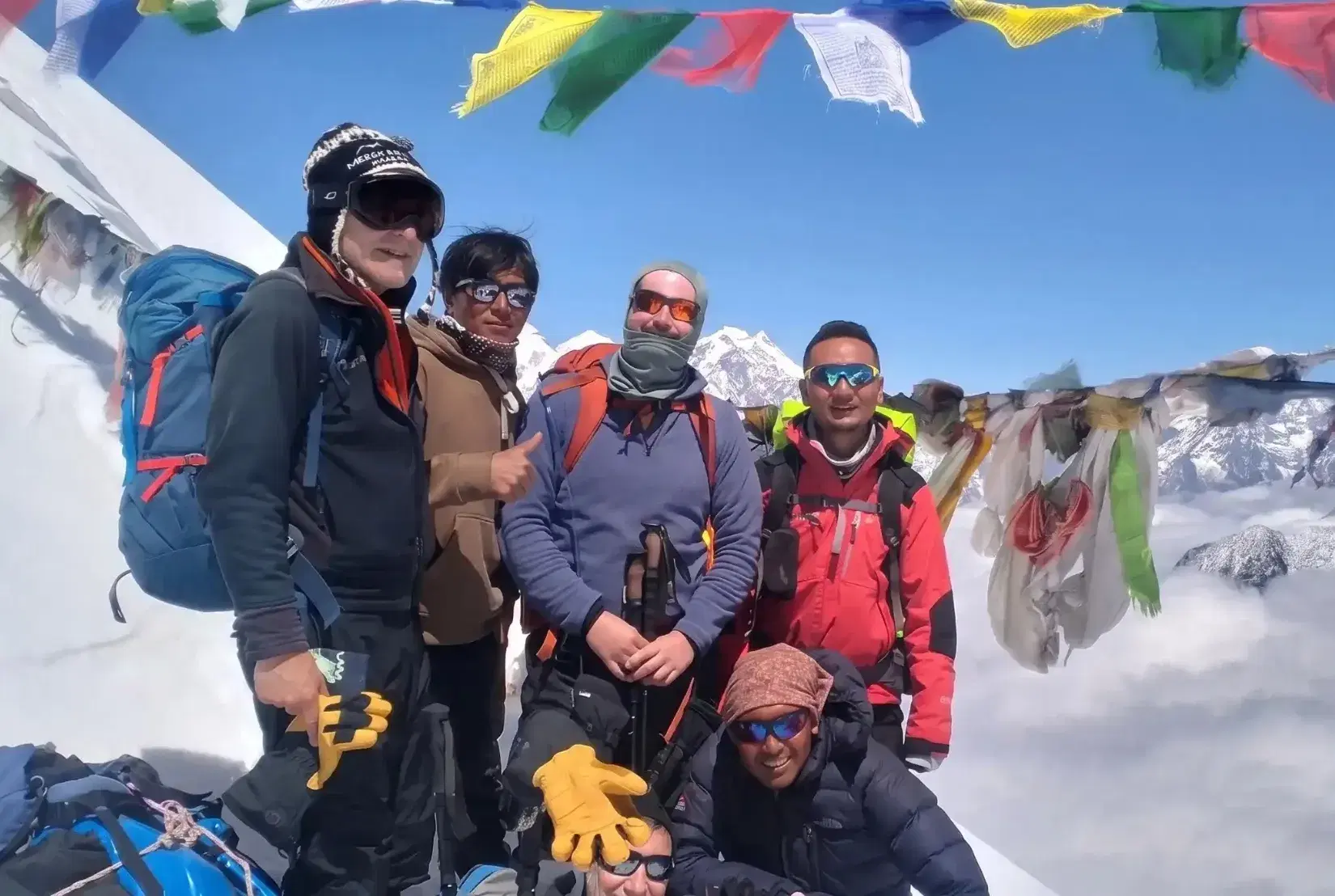
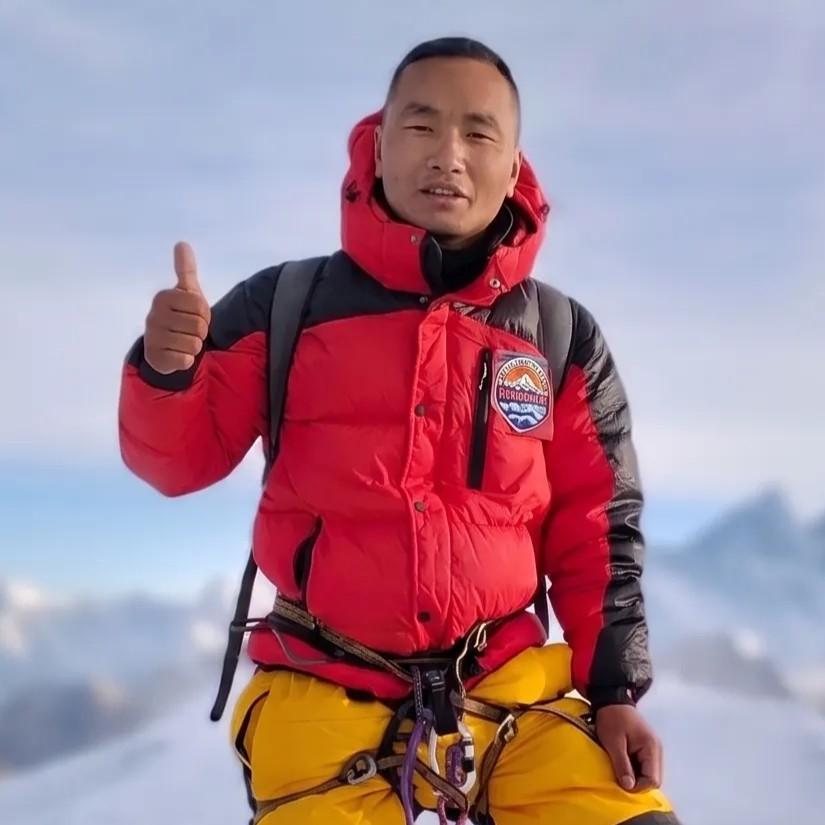
High-altitude trekking requires patience. From my experience guiding in Nepal, physical fitness alone does not determine how well someone adjusts to altitude. Every traveler responds differently, so the itinerary must allow enough time for gradual adaptation.
Gain Elevation Gradually
I recommend choosing an itinerary that increases sleeping elevation carefully. A shorter programme may appear convenient, but rapid elevation gain can place unnecessary pressure on the body.
Before starting, I review the daily walking time, overnight elevations, highest point and available acclimatization days.
Use Acclimatization Days Properly
An acclimatization day does not always mean complete rest. Depending on the route and the condition of the group, I may recommend a short walk to a higher point followed by a return to the same lodge.
These days allow me to observe how each traveler is adjusting before we continue higher.
Maintain a Steady Pace
Moving quickly does not help the body acclimatize faster. I encourage travelers to walk slowly, take regular breaks, drink water and eat properly.
High-altitude trekking should never become a competition. A comfortable and consistent pace helps conserve energy for the days ahead.
Report Changes Early
I ask travelers to tell me immediately when they notice unusual discomfort, reduced appetite, poor sleep or any change in how they feel.
Problems should not be hidden to avoid delaying the group. Depending on the situation, I may recommend additional rest, a shorter walking day, medical advice or descent.
Keep the Itinerary Flexible
Weather, trail conditions and individual health can change the original plan. Sometimes the correct decision is to remain at the same elevation, adjust the route or descend.
Reaching the destination is important, but returning safely is always the priority.
Final Advice
The best acclimatization strategy is simple: ascend gradually, walk steadily, communicate honestly and remain flexible. From my experience, patience is one of the most valuable strengths a traveler can bring to a high-altitude trek.