
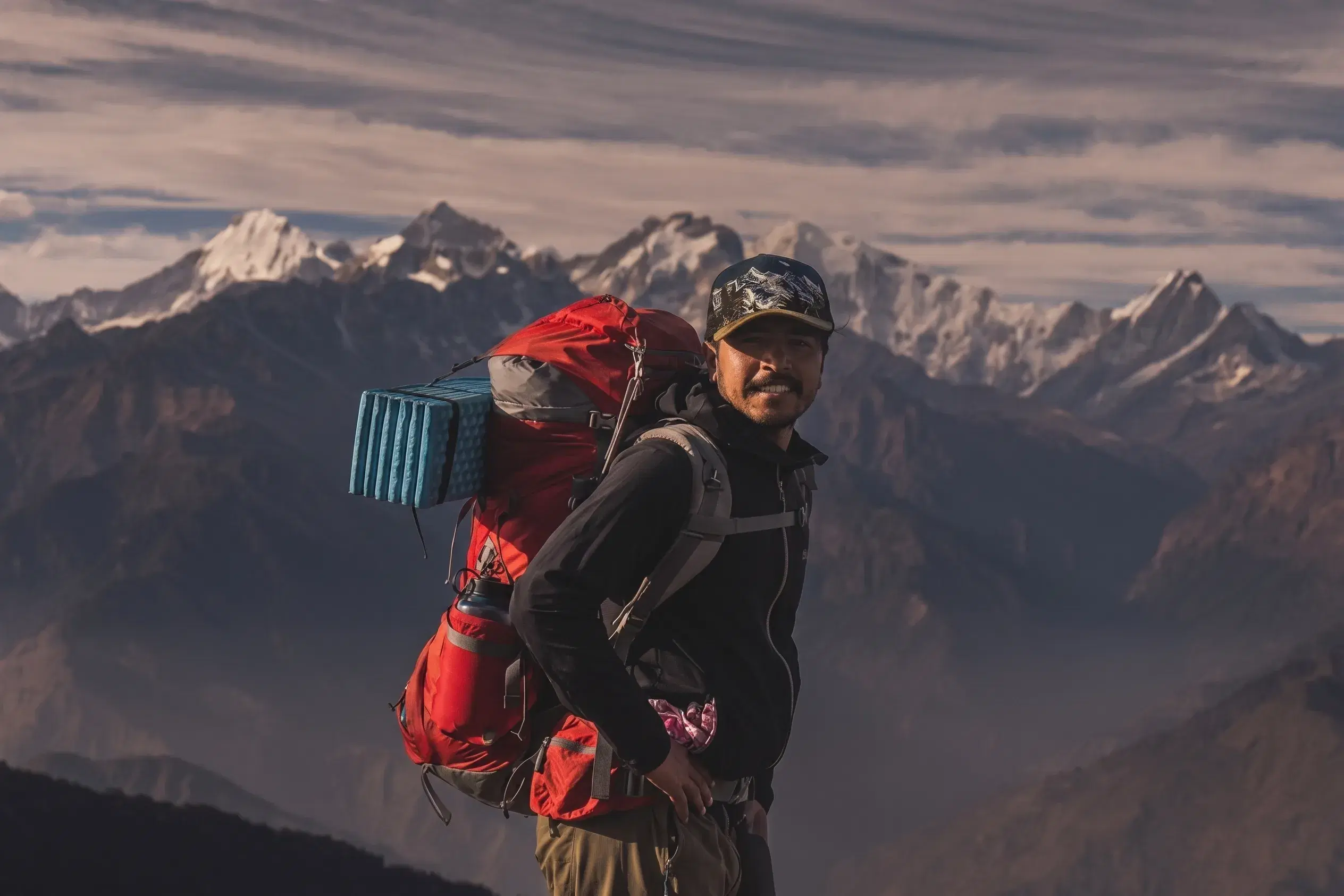
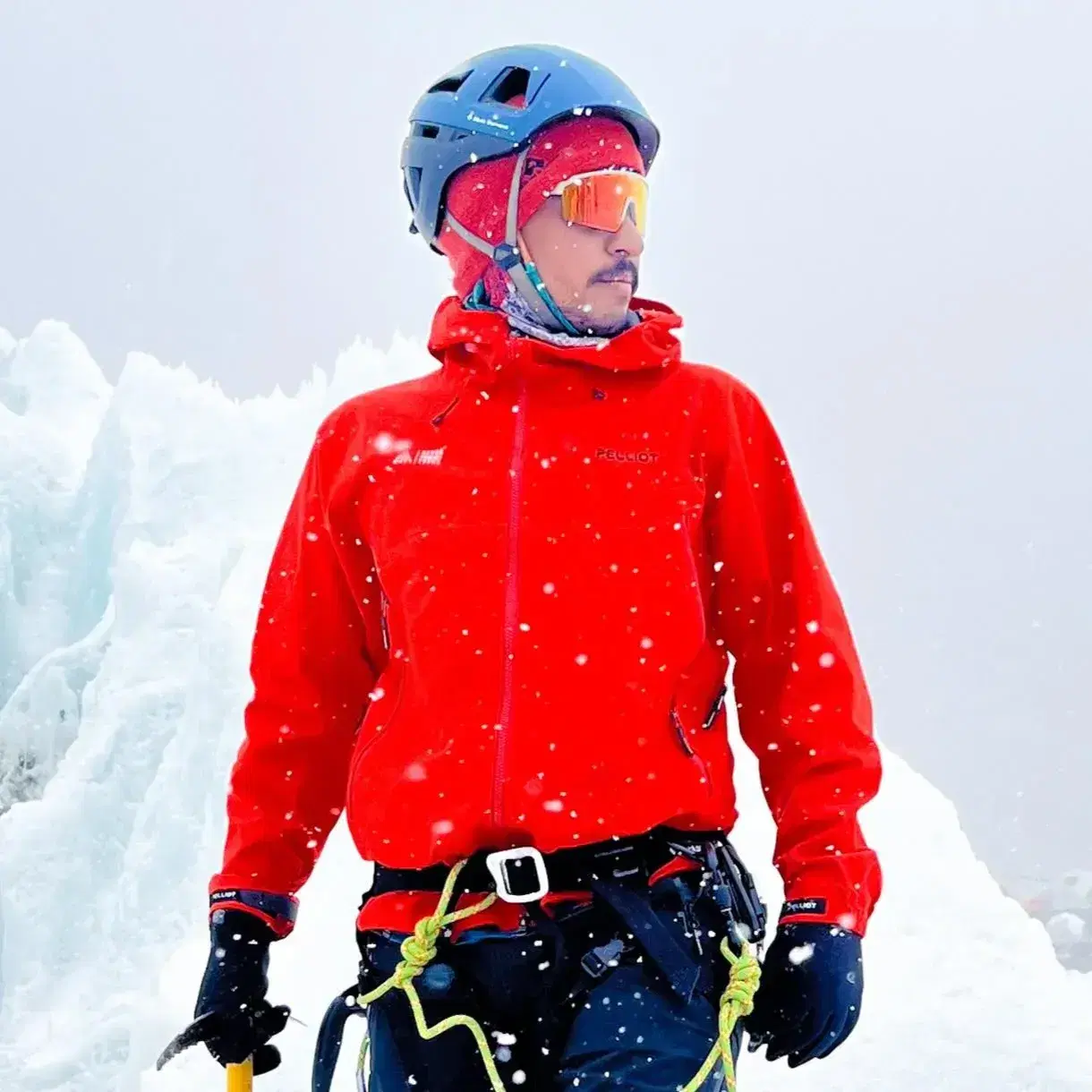
Every season I meet trekkers at Lukla who trained for months — and trekkers who barely trained at all. The surprising truth? Fitness is rarely what sends people home early. Preparation is. Here is how I ask my own clients to prepare before we walk together toward Everest Base Camp, Gokyo, or the Three Passes.
1. Train for descent, not just climbing
Most first-timers train their legs for going up. But in the Khumbu, the long descents — Tengboche to Phunki Tenga, Kala Patthar back to Gorak Shep — are where knees give out. Add downhill hiking, stairs, and single-leg strength work to your routine at least eight weeks before your trek. If you can hike five to six hours on back-to-back days at home, you are ready for the trail rhythm here.
2. Respect acclimatization days — they are not rest days
The itinerary days in Namche Bazaar (3,440 m) and Dingboche (4,410 m) are "climb high, sleep low" days, not lie-in-bed days. A short hike to the Everest View Hotel or Nangkartshang Ridge teaches your body to produce red blood cells before you need them. In my experience, trekkers who skip acclimatization hikes are the ones who struggle above Lobuche.
3. Pack for temperature swings, not for cold alone
A sunny afternoon in Pheriche can feel like 20°C; that same evening, temperatures drop below freezing. Layers matter more than one heavy jacket: a base layer, a fleece, a down jacket, and a shell cover almost every situation between Lukla and Base Camp. And break in your boots at home — blisters at Phakding can end a trek before it truly begins.
4. Understand teahouse life before you arrive
Rooms are simple, unheated, and shared walls are thin. The dining hall stove is the social heart of every evening. Budget for extras that surprise many trekkers: hot showers, device charging, and Wi-Fi all cost more the higher you go. Carrying a power bank and a book saves both money and mood.
5. Build a realistic daily rhythm
The golden rule in the Khumbu: walk in the morning, rest in the afternoon. Mountain weather is clearest before noon — which is also when the light is best if, like me, you carry a camera. Slow, steady pacing ("bistari, bistari" as we say in Nepal) beats speed every single day above 4,000 metres.
6. Know what your guide actually does for you
A licensed guide is more than a route-finder. On my treks I handle acclimatization monitoring, teahouse arrangements, cultural context at monasteries and mani walls, gear checks, and — if it is ever needed — rescue coordination. Ask your guide exactly what support is included before booking, and discuss permits through the proper authorized channels.
Final thought
The Everest region rewards the prepared, not the fastest. Train your legs for the downs, give your lungs time to adapt, pack in layers, and choose a guide you trust. Do that, and the mountains will give you the trek — and the photographs — of a lifetime.
Planning your first Khumbu trek? You can request a consultation through my GuideMeet profile for personalized route and acclimatization advice.