
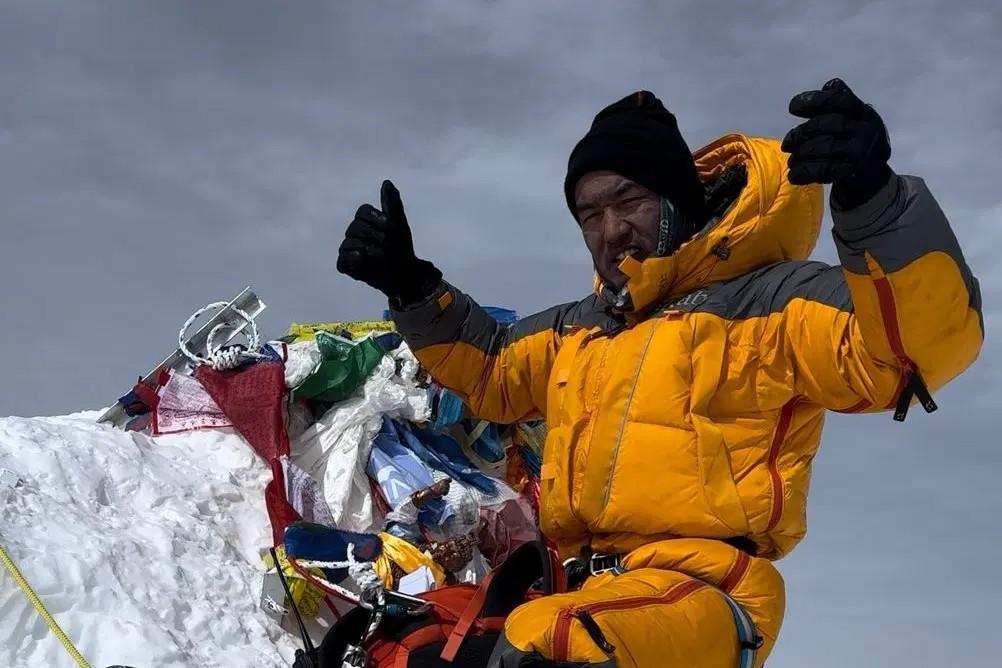
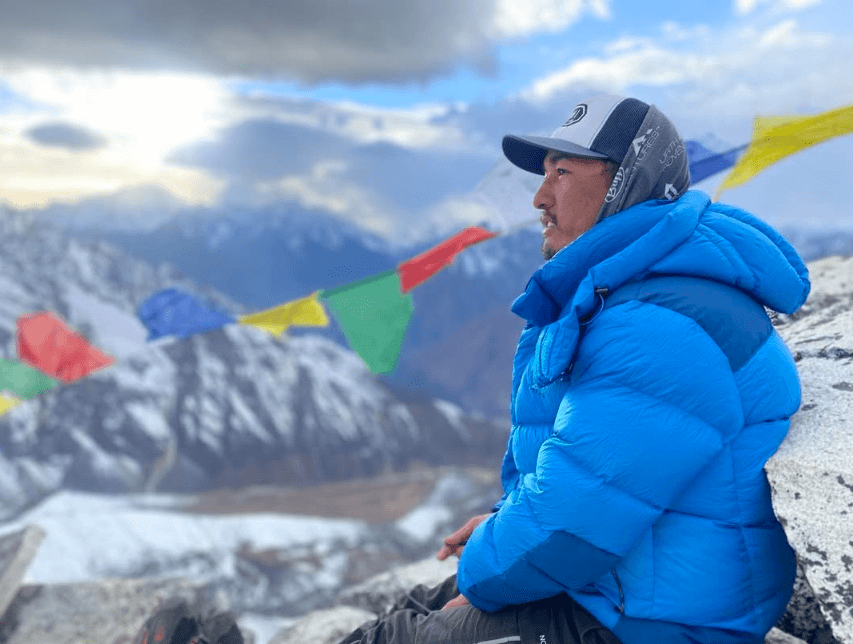
Everest expeditions follow a well-established route through Base Camp, the Khumbu Icefall, and Camps 1 through 4 before the final summit push. What travelers often underestimate isn't the physical route itself — it's the amount of judgment required at each stage.
After 10 years and multiple summits, I've seen strong, fit climbers turn back not because the route beat them, but because conditions changed faster than their plan allowed for.
Three things matter more on summit day than raw fitness:
Acclimatization discipline.
Rushing the rotation schedule between Camps 1 through 4 is the single most common preventable mistake, even among strong climbers. Your body needs the full cycle — no shortcuts, no matter how fit you feel at Base Camp.
Reading the weather window, not just the forecast.
A forecast tells you wind speed. It doesn't tell you how conditions shift above 8,000m in the final hours before dawn. That judgment only comes from being up there, repeatedly, across different years and seasons.
Knowing when to turn around.
In 10 years on this mountain, the climbers I respect most aren't the ones who always summited — they're the ones who turned back when conditions said no, and came home to try again.
A few practical notes from the field: rope-fixing timing on the Lhotse Face and above Camp 4 continues to affect summit-window bottlenecks each season, and Icefall conditions through the Khumbu shift early on, so they should be reassessed with each rotation rather than assumed stable.
The pre-monsoon window (April–May) remains the primary climbing season, with the summit-weather window typically opening mid-to-late May — early climbers get quieter rope access but colder conditions, while late-May attempts usually see more stable weather but higher congestion near the top.
If you're planning an Everest attempt, ask your guide directly what their personal turn-around criteria are — before you're on the mountain, not during the climb.
Experience over convenience is what gets you home safely, summit or not.