
Starting from the Ground Up
I began working in trekking in 2015 as a kitchen assistant. That role taught me how much preparation happens behind every successful journey. After around two and a half years, I progressed to assistant guiding and gradually took on greater responsibility in the mountains.
Blinds
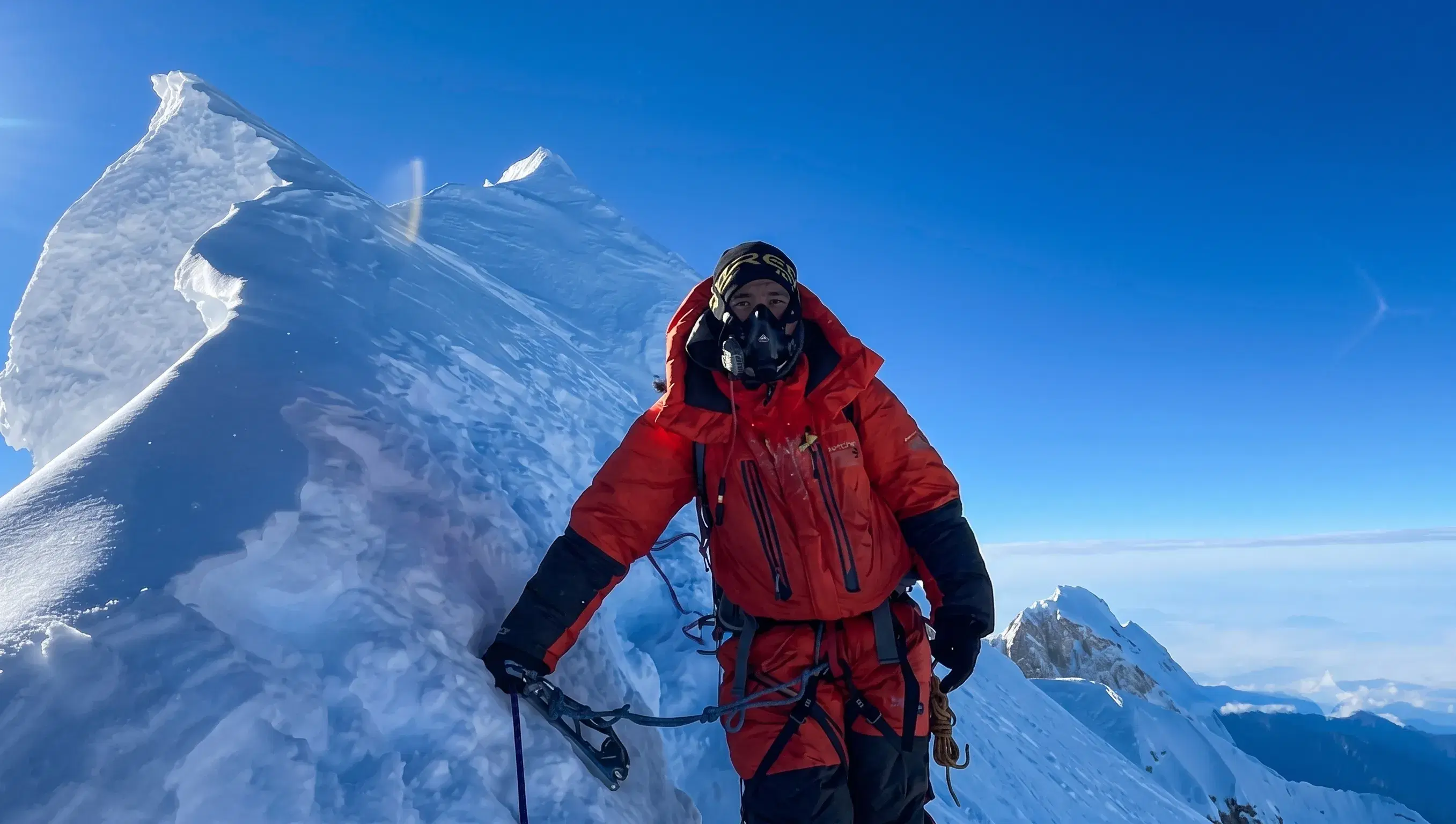
My climbing journey developed strongly in 2019 after I summited Mera Peak, Lobuche Peak, and Island Peak. Since then, I have climbed Mount Everest three times, Mount Manaslu twice, Annapurna I once, and Ama Dablam twice.
Every mountain has different conditions, risks, and demands. Experience helps, but no expedition should ever be treated as routine.
Preparing for the Climb
From my experience, successful climbing begins before reaching the mountain. Climbers need suitable physical training, tested equipment, realistic expectations, and enough time for acclimatization.
I always encourage people to understand their gear, communicate openly, and avoid hiding tiredness or altitude symptoms from the guide.
Safety in the Mountains
At high altitude, small problems can quickly become serious. I regularly observe breathing, walking pace, appetite, sleep, energy levels, and changes in behaviour.
Weather, snow conditions, wind, and the condition of the team must guide every decision. Reaching the summit is important, but returning safely is always the priority.
Lessons from Major Expeditions
My expeditions have taught me patience, teamwork, discipline, and humility. Strong climbers can still struggle with altitude, while steady climbers who follow a careful plan may perform very well.
The mountain decides the conditions. A guide must be prepared to adjust the schedule, turn back, or change the plan when safety requires it.
Respecting the Mountain
I believe high-altitude climbing requires respect for the mountain, the local environment, and every member of the team. A successful expedition is not measured only by the summit.
For me, success means making responsible decisions, supporting the team, and helping everyone return with valuable experience and greater confidence.