
Why Acclimatization Matters
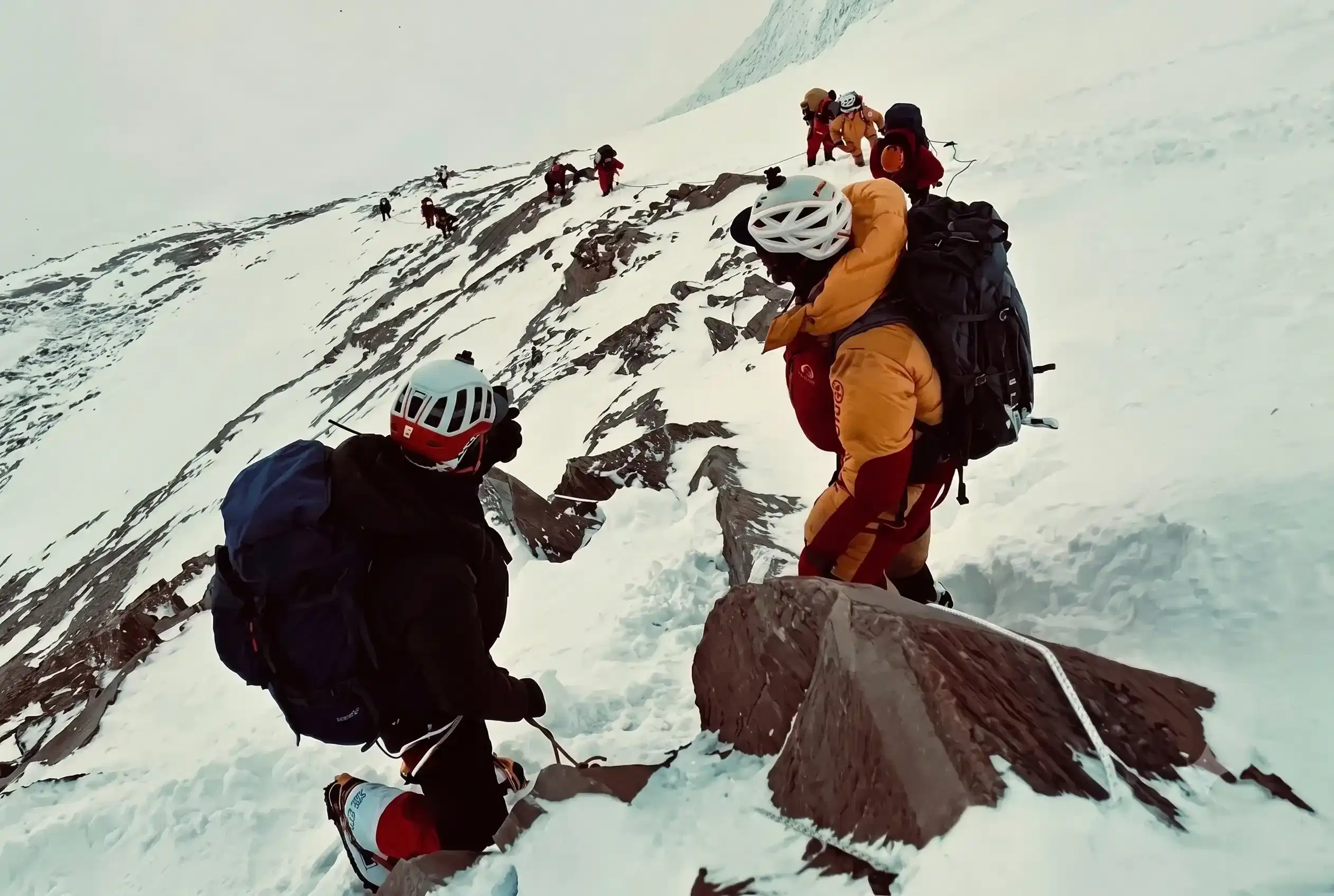
At high altitude, the body needs time to adjust to lower oxygen levels. From my experience, climbing too quickly can reduce performance and increase the risk of altitude illness.
Good acclimatization is not wasted time. It is an important part of the expedition.
Building a Steady Schedule
I prefer a gradual ascent with suitable rest and acclimatization days. The exact schedule depends on the route, altitude, weather, and condition of the climber.
Moving slowly in the early stages often helps people remain stronger later in the expedition.
Monitoring the Body
I pay attention to breathing, walking pace, appetite, sleep, headaches, energy, and behaviour. Climbers should speak honestly when they feel unwell.
Hiding symptoms can make a manageable problem more serious.
Hydration, Food, and Rest
Regular hydration, warm meals, enough sleep, and steady pacing support the body at altitude. Even when appetite becomes weaker, climbers should try to eat and drink consistently.
Rest is part of preparation, not a sign of weakness.
When the Plan Must Change
A guide may recommend another rest day, a slower ascent, or a descent when symptoms appear. Weather and route conditions can also require changes.
I believe turning back or delaying a summit attempt is always better than taking an unnecessary risk.
Patience Before the Summit
Successful acclimatization requires patience, discipline, and communication. A strong climber can still experience altitude problems.
For me, the best strategy is to listen to the body, respect the mountain, and make every decision with a safe return in mind.